
Affordable PCB Manufacturing Prices: Cost Guide and Trends
By:Admin
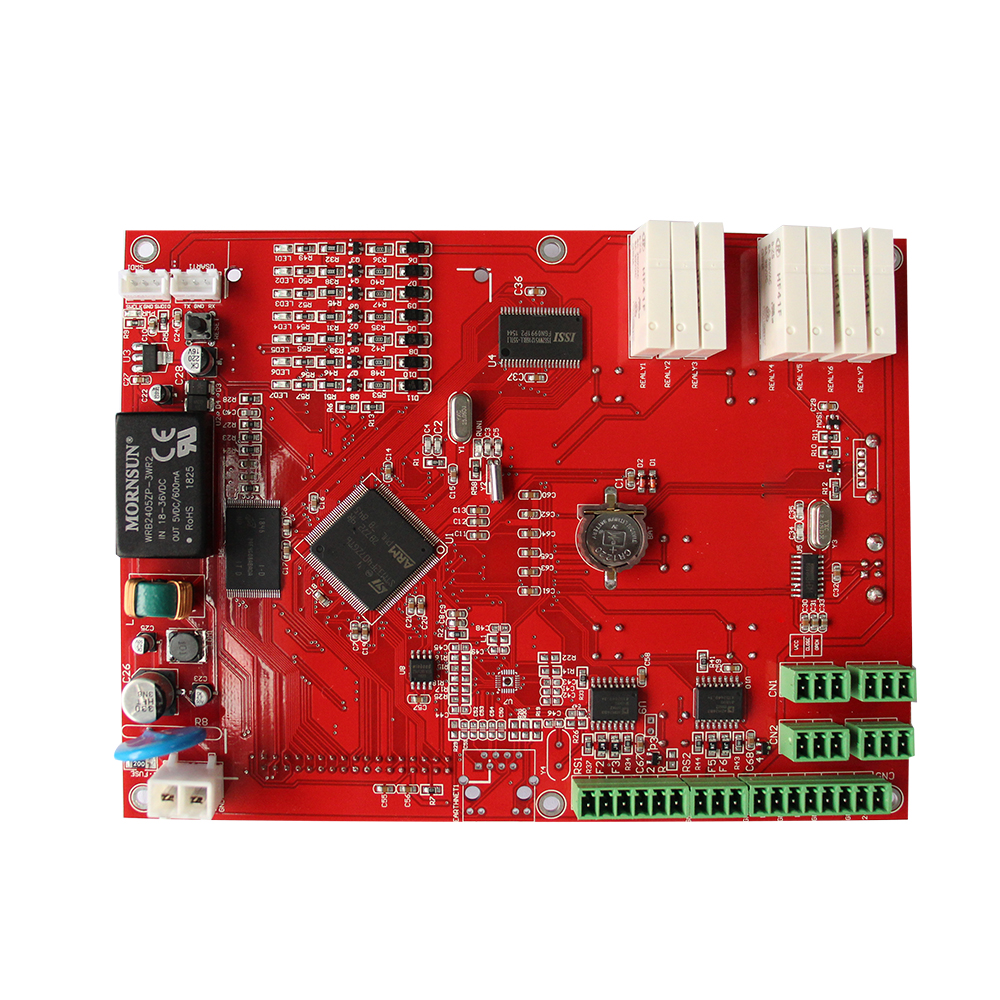
In recent years, the printed circuit board (PCB) manufacturing industry has witnessed notable fluctuations in pricing driven by various global economic factors, technological advancements, and supply chain dynamics. As demand for advanced electronics surges across sectors such as automotive, telecommunications, consumer electronics, and industrial applications, PCB manufacturers face the challenge of balancing quality, innovation, and cost-efficiency.
**Industry Overview**
Printed circuit boards are fundamental components that serve as the backbone for virtually all electronic devices. With the rapid evolution of technology—from 5G networks and Internet of Things (IoT) devices to electric vehicles and smart appliances—the complexity and sophistication of PCBs have significantly increased. This complexity typically requires higher-grade materials, precision manufacturing processes, and advanced testing protocols, all of which contribute to shifts in production costs and prices.
**Factors Influencing PCB Manufacturing Prices**
1. **Raw Material Costs:** One of the primary drivers of PCB price adjustments is fluctuations in raw material costs. Key materials such as copper, laminates (prepreg and core materials), solder masks, and specialized substrates like FR-4 or flexible polyimide films have experienced volatile pricing due to global supply-demand imbalances, trade tariffs, and geopolitical tensions.
2. **Technological Advancements:** The push toward miniaturization and higher layer counts to support complex electronic circuits necessitates investments in precision equipment such as advanced drilling machines, high-density interconnect (HDI) technology, and laser direct imaging (LDI) systems. While these advancements improve PCB functionality and reliability, they also result in higher manufacturing costs that are often reflected in market pricing.
3. **Supply Chain Disruptions:** The COVID-19 pandemic and other recent global events have exposed vulnerabilities in supply chains, leading to delays, increased logistics expenses, and shortages of manufacturing inputs. These factors have put upward pressure on PCB prices as manufacturers seek to mitigate risks and maintain production continuity.
4. **Environmental and Regulatory Compliance:** Increasing environmental regulations and the industry’s commitment to greener manufacturing practices necessitate upgrades in processes and materials, often accompanied by higher costs. Compliance with RoHS (Restriction of Hazardous Substances) and REACH (Registration, Evaluation, Authorization and Restriction of Chemicals) directives, for instance, requires the use of eco-friendly raw materials and wastewater treatment systems.
5. **Labor and Operational Costs:** With PCB manufacturing traditionally concentrated in regions with competitive labor costs, rising wages and operational expenses in these areas are contributing to price adjustments. Additionally, automation investments to enhance production efficiency require significant capital outlay, impacting short-term pricing.
**Market Impact and Outlook**
Despite the increase in manufacturing price points, the PCB market continues to expand, driven by increased electronics penetration and innovation demands. Companies that succeed in optimizing their supply chains, embracing innovative manufacturing technologies, and maintaining quality standards are positioned to thrive in this dynamic environment.
Industry leaders are focusing on customized PCB solutions that cater to specific application needs, including high-frequency PCBs for 5G infrastructure, rigid-flex PCBs for wearable devices, and heavy copper PCBs for power electronics. These specialized products command premium pricing but deliver higher value to customers seeking performance and reliability.
**Company Commitment to Quality and Innovation**
Amid this evolving landscape, a leading PCB manufacturer has underscored its commitment to delivering high-quality, cost-competitive circuit boards tailored to diverse industry requirements. Leveraging state-of-the-art manufacturing facilities equipped with advanced machinery, the company ensures precision and consistency across its product range.
Its comprehensive portfolio includes single-sided, double-sided, multi-layer rigid PCBs as well as flexible and rigid-flex PCBs, designed to meet stringent international standards such as IPC Class 2 and Class 3. By integrating robust quality assurance protocols and adopting sustainable manufacturing practices, the company responds proactively to regulatory changes while addressing customer needs effectively.
Moreover, the manufacturer offers value-added services including prototyping, rapid turnaround, and engineering support, facilitating faster development cycles for clients. Strategic supply chain partnerships and efficient logistics further aid in mitigating price volatility and ensuring timely delivery.
**Conclusion**
The upward trend in PCB manufacturing prices reflects a confluence of factors, from raw material cost pressures to advanced technological demands and global supply chain challenges. As the electronics industry continues its rapid growth trajectory, PCB manufacturers must adapt strategically—embracing innovation, sustainability, and operational excellence—to meet market expectations.
End-users and manufacturers alike should anticipate a market characterized by nuanced pricing structures influenced by product complexity and service differentiation. By maintaining transparency and fostering collaborative partnerships, players in the PCB ecosystem can navigate the evolving landscape successfully, ensuring continued growth and technological progress.